




A good sms marketing strategy is the difference between a text message that gets read, clicked, and acted on — and one that gets a single tap on “Reply STOP.” Short message service marketing offers some of the highest engagement rates in digital marketing, but that advantage disappears fast when a business sends too often, skips personalization, or ignores compliance. The businesses that get real, repeatable sms marketing success treat it the same way they’d treat any other serious marketing channel: with a strategy, a set of best practices, and the right sms marketing platform behind it.
This guide breaks down the core sms marketing strategy every small business and growing brand should follow in 2026 — from building a compliant sms subscriber list to writing messages that convert, choosing the best times to send, and picking sms marketing software that actually integrates with the rest of your marketing efforts.
What Makes an SMS Marketing Strategy Actually Work

SMS marketing performs well by default — open rates above 90% within minutes of delivery are common across the industry. But a high open rate doesn’t automatically mean a high-performing marketing channel. The businesses that turn that attention into actual sms marketing success follow a deliberate strategy built on four pillars:
- Consent first. Every contact on your sms list opted in deliberately, not passively.
- Segmentation. Messages go to the right subscribers, not a single undifferentiated blast.
- Personalization. Messages reflect the recipient’s name, behavior, and purchase history — not a generic template.
- Integration. SMS doesn’t operate in isolation. It works alongside email marketing, automation, and your broader marketing strategy, sharing the same contact data instead of living in a separate spreadsheet.
A platform like GemCRM is built around exactly this model — contacts, tags, and segments that already exist in your CRM can be reused directly for sms campaigns, so your sms marketing strategy isn’t disconnected from the rest of your marketing program.
Building a Compliant SMS Subscriber List
Every effective sms marketing campaign starts with the list. A smaller list of genuinely opted-in subscribers will always outperform a larger list of people who never explicitly agreed to receive marketing text messages.
- Use a clear, specific opt-in. Consent for email marketing does not cover SMS. Subscribers need to check a box, reply to a keyword, or complete a sms-specific signup form that says exactly what they’re agreeing to receive.
- Offer something in exchange. A discount code, early access, or a free resource gives people a reason to join your sms subscriber list rather than scrolling past the signup prompt.
- Promote the SMS opt-in across every channel. Your website, checkout flow, email footer, social bios, and in-store signage should all point to the same sms signup opportunity.
- Make opting out frictionless. Every message needs a working “Reply STOP to unsubscribe” path. This isn’t a nice-to-have — in most regions it’s a legal requirement, and it also keeps your sms list full of people who actually want to hear from you.
- Never import or buy a list. Sending sms marketing messages to numbers that didn’t directly opt in to your specific business is a compliance violation and a fast way to get your sender number blocked by carriers.
10 SMS Marketing Best Practices for Effective Campaigns
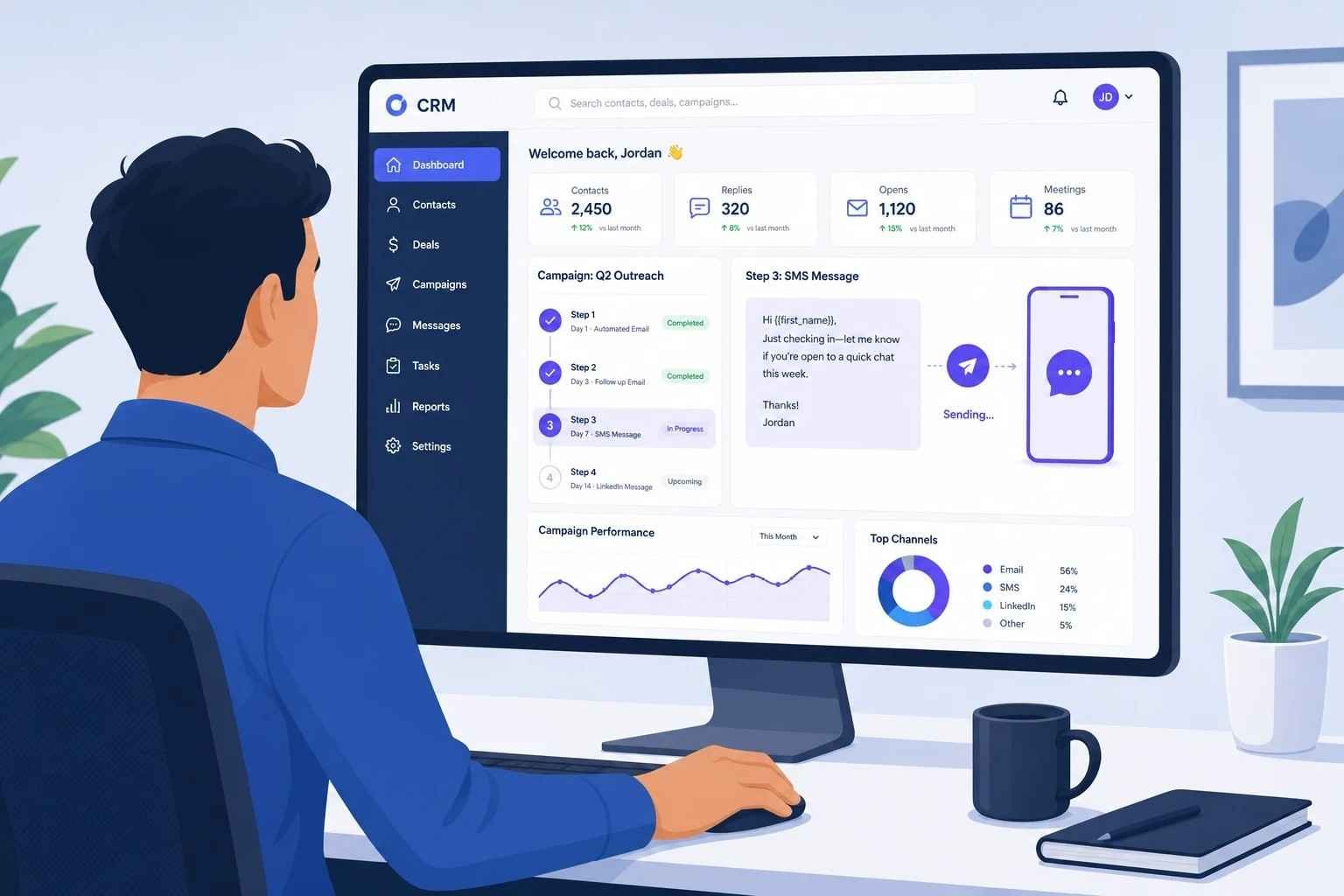
These ten sms marketing best practices form the foundation of nearly every high-performing sms marketing strategy in 2026.
13. Get explicit, SMS-specific consent. This is non-negotiable. Document when and how each contact opted in — most sms marketing platforms log this automatically.
14. Identify your business immediately. Open every message with your business name so the subscriber knows exactly who’s texting them before reading further.
15. Keep messages under 160 characters when possible. Standard SMS messages are capped at 160 characters before they split into multiple segments, which increases delivery cost with most providers and can fragment how the message displays.
16. Personalize every campaign. Using a subscriber’s first name or referencing recent activity meaningfully increases response rates compared to a generic broadcast. A personalization variable that auto-inserts a contact’s name takes seconds to add and measurably changes outcomes.
17. Limit frequency. Most sms marketing guides recommend no more than four to eight marketing text messages a year per major campaign type, and never more than a handful per month overall. Subscribers who feel over-messaged opt out fast.
18. Send during reasonable hours. Stick to an 8 a.m.–9 p.m. window in the recipient’s local time zone. Outside of being a near-universal regulatory requirement, it’s simply respectful of the channel’s personal nature.
19. Always include a clear call to action. Tell the subscriber exactly what to do next — “Shop now,” “Reply YES to confirm,” “Show this text in-store.”
20. Test with a small segment first. Before sending to your full sms subscriber list, send the campaign to a small group of 10–50 contacts to confirm personalization variables, links, and delivery are all working correctly.
21. Segment your audience by behavior or list. A cart-recovery message shouldn’t go to someone who has already completed checkout. Use list and tag-based audience targeting so each sms campaign reaches the right group.
22. Review performance and your suppression list regularly. Track delivery rates, click-through rates, and opt-outs after every send, and keep your list of opted-out and suppressed contacts current to protect your sender reputation with your SMS provider.
Types of SMS Messages: Promotional vs. Transactional
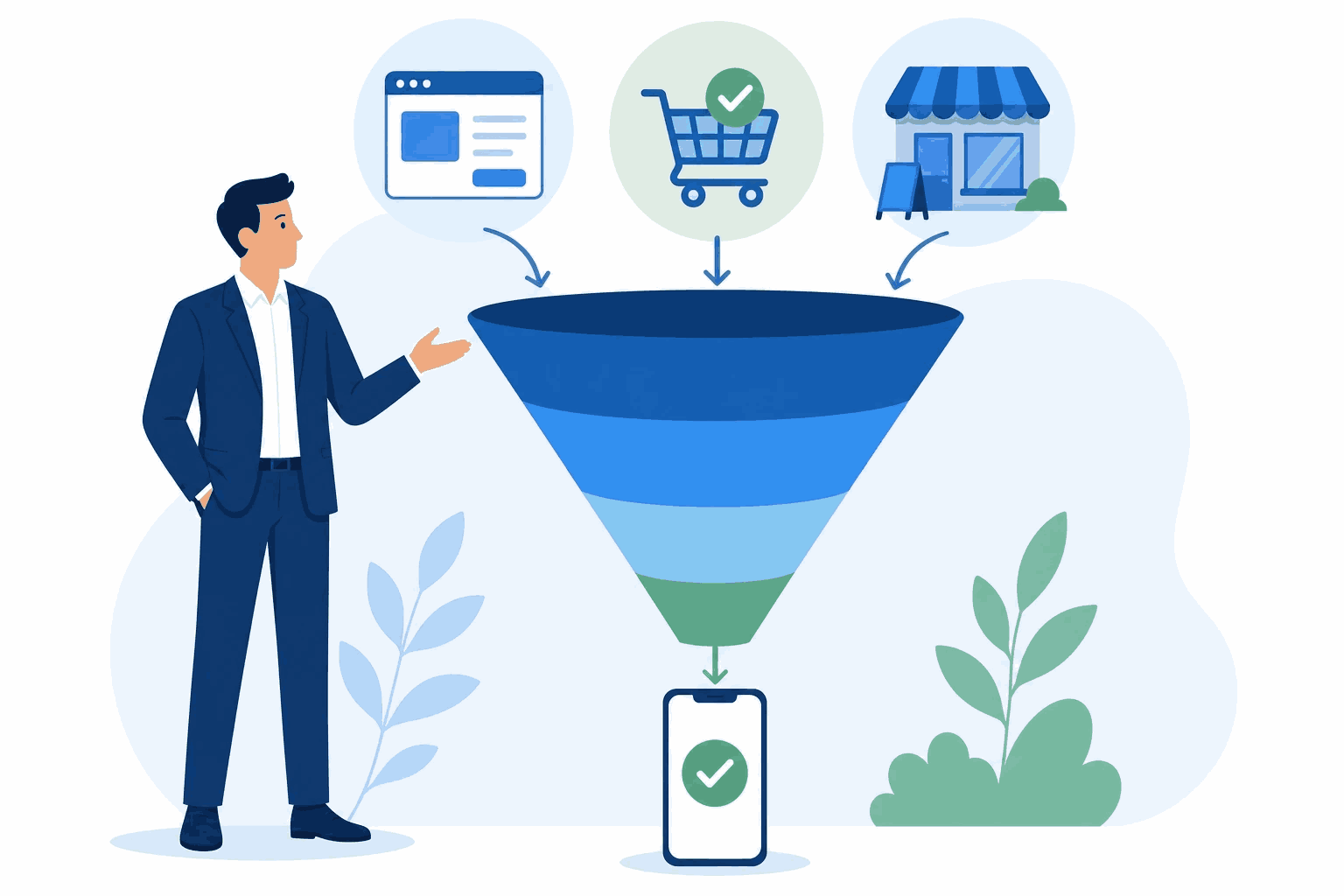
Understanding the two core categories of SMS messages helps shape a more complete sms marketing strategy.
Promotional SMS messages are sent to drive engagement or sales — flash sales, new product announcements, event invitations, win-back offers. These require explicit marketing consent and count against your messaging frequency limits.
Transactional SMS messages are operational and expected by the recipient — order confirmations, shipping updates, appointment reminders, and account alerts. These typically fall under a lighter consent standard since they relate directly to a transaction the customer already initiated, though best practice is still to confirm opt-in wherever possible.
A mature sms marketing program usually runs both types side by side, often from the same sms marketing platform, since both rely on the same contact data and delivery infrastructure.
SMS Marketing Examples That Convert
Real sms marketing examples make the best practices above concrete. Each of these follows the same structure: short, branded, personalized where possible, and built around one clear action.
Welcome message
“Hi {{first_name}}, welcome to [Business Name]! You’re on the list for exclusive offers. Reply STOP to unsubscribe.”
Flash sale (promotional)
“⚡ {{first_name}}, 24 hours only — 20% off everything. Code FLASH20. Shop now: [link]”
Order shipped (transactional)
“Hi {{first_name}}, your order is on its way! Track it here: [link]. Reply STOP to unsubscribe.”
Appointment reminder (transactional)
“Reminder: your appointment with [Business Name] is tomorrow at 2 PM. Reply C to confirm or R to reschedule.”
Cart recovery (promotional)
“{{first_name}}, you left something in your cart. Complete your order in the next 2 hours for free shipping: [link]”
Re-engagement (promotional)
“We miss you, {{first_name}}! Here’s 15% off to welcome you back: [code]”
Notice the personalization variable in nearly every example — that single addition is one of the most consistently cited sms marketing best practices for improving response rates.
Best Times to Send SMS Marketing Messages
Timing has a measurable effect on open and click-through rates. While the right send time varies by audience and industry, a few patterns hold consistently across sms marketing data:
- Mid-morning (10 a.m.–12 p.m.) and early evening (5 p.m.–7 p.m.) tend to perform best for retail and consumer promotions, when people are checking phones during breaks or commutes.
- Avoid early mornings before 8 a.m. and late evenings after 9 p.m. — both for compliance reasons and because messages sent outside normal waking hours generate more opt-outs than engagement.
- Transactional SMS messages (appointment reminders, shipping updates) should be sent based on the triggering event, not a fixed promotional schedule — timeliness matters more than time-of-day optimization here.
- Weekday sends generally outperform weekend sends for B2B and service-based businesses, while retail and hospitality often see strong weekend performance.
Most sms marketing software includes reporting that shows exactly when your specific subscriber list engages most, which is more reliable than any generic best-times guideline — use built-in send-time data once you have a few campaigns’ worth of history.
SMS Compliance: What Every Marketing Program Must Get Right
SMS compliance is stricter than most other digital marketing channels, and it’s not optional. In the United States, the Telephone Consumer Protection Act (TCPA) governs SMS marketing, alongside carrier-level requirements like 10DLC registration for businesses sending from local numbers. The core requirements every sms marketing strategy needs to satisfy:
- Written, SMS-specific consent before sending any promotional message — assumed or verbal consent doesn’t meet the standard.
- A working opt-out method in every message, almost universally “Reply STOP to unsubscribe.”
- Immediate honoring of opt-outs. Continuing to message someone after they’ve opted out is a compliance failure that can carry real financial penalties.
- Respecting sending-hour restrictions, typically 8 a.m. to 9 p.m. in the recipient’s local time zone.
- Accurate, non-deceptive message content — no disguised marketing, no misleading offers.
- Number registration for volume senders (10DLC in the U.S.) to maintain deliverability and avoid carrier filtering.
Important
Most established sms marketing platforms build automatic suppression and opt-out handling directly into the send pipeline, but the responsibility for compliance ultimately sits with the business sending the messages, not the software vendor.
Choosing the Right SMS Marketing Platform
The sms marketing platform you choose has a direct effect on how well you can execute the strategy above. When evaluating sms marketing software, look for these capabilities specifically:
- Built-in compliance handling — automatic suppression of opted-out and unsubscribed contacts at send time.
- List and tag-based audience targeting — the ability to include or exclude specific segments without manual list management.
- Personalization variables — first name, email, phone, and location fields that auto-populate per contact.
- Scheduling and rate controls — the ability to schedule sends in advance and apply a daily sending cap for large audiences.
- Native integration with your existing contact database — ideally, the same system already powering your email marketing and CRM, rather than a disconnected SMS-only tool.
- Provider flexibility — support for established SMS providers like Twilio or Vonage via API, so you’re not locked into a single delivery network.
- Reporting on delivery, click-through, and opt-out rates at the campaign level.
Many small businesses start with a standalone sms tool and quickly run into the same problem: their contact data lives in one place, and their sms campaigns live in another, requiring constant CSV exports and manual list syncing just to keep a single campaign updated.
How GemCRM Supports a Complete SMS Marketing Strategy
This is exactly the gap GemCRM is built to close. GemCRM is a native WordPress CRM plugin with a full SMS campaign system built directly into the WordPress dashboard — meaning contact lists, tags, and segments you already manage in your CRM work directly with your sms campaigns, without exporting a single CSV or switching to a separate sms marketing platform.
Provider flexibility built in
GemCRM connects to established SMS providers, including Twilio and Vonage, via API. You configure your provider once — API key, sender number — and GemCRM treats it as your active default provider for every future campaign, with support for multiple provider accounts if you need to switch per campaign.
A guided four-step campaign builder
Rather than assembling an sms campaign from scattered settings, GemCRM walks you through Basics (name and channel), Message Body (the actual text, written in a simple plain-text editor since SMS carries no formatting), Audience (who receives it), and Schedule & Limit (when it sends and how fast). This structure mirrors the best-practice checklist above almost exactly — consent and audience targeting are built into the workflow rather than left to manual list management.
Personalization variables, ready to click in
In the Message Body step, GemCRM provides one-click variable tags — First Name, Last Name, Email, Phone, DOB, City, State, Country, ZIP, and address fields. Clicking “+ First Name” inserts a variable that automatically becomes each contact’s actual name at send time, which directly implements one of the highest-impact best practices on this list.
Precise audience control
The Audience step includes both an Include Audience and Exclude Audience section, letting you target by list or tag and exclude specific segments — for example, removing contacts already tagged “order-complete” from a cart-recovery campaign. GemCRM also automatically skips suppressed contacts, opted-out contacts, and contacts with no phone number on file, regardless of manual selection, which directly enforces SMS compliance at the platform level.
Scheduling and volume control
The Schedule & Limit step lets you set a future send time (in UTC), a daily cap to spread large sends across multiple days and stay within provider rate limits, and a maximum retry count for failed deliveries. For a business sending to a large sms subscriber list, the daily cap is what keeps a single campaign from triggering provider rate-limit errors or an unpredictable cost spike.
A built-in suppression list
Under Messaging → Suppressions, GemCRM maintains a running list of opted-out and suppressed contacts that’s checked automatically on every send — directly supporting the “review your suppression list regularly” best practice covered earlier in this guide.
Bottom line
For a small business or marketing team already running on WordPress, the practical advantage is straightforward: building your first compliant, personalized sms campaign in GemCRM takes a few minutes once your provider is connected, and every later campaign reuses the same contact data, tags, and segments already powering your email marketing — no separate sms marketing software subscription, no duplicated contact list, no CSV exports.
Common Mistakes That Undermine SMS Marketing Efforts
Even teams that understand the best practices above sometimes undercut their own sms marketing strategy with these avoidable mistakes:
- Sending the same message to the entire list. Skipping segmentation turns a targeted sms campaign into generic noise, which depresses click-through rates and accelerates opt-outs.
- Treating SMS and email marketing as separate strategies. When SMS and email run on disconnected platforms with disconnected contact data, messaging becomes inconsistent, and campaigns can accidentally overlap or contradict each other.
- Skipping the test send. Sending a full campaign without first verifying personalization variables and links on a small segment is one of the most common — and most avoidable — sms marketing mistakes.
- Letting the suppression list go stale. Failing to regularly check opted-out and suppressed contacts risks accidentally messaging someone who already withdrew consent, which is both a compliance issue and a trust issue.
- Over-relying on promotional messages. A subscriber list that only ever receives sales pitches fatigues quickly. Mixing in transactional value (order updates, reminders) and occasional appreciation messages keeps the channel feeling useful rather than purely sales-driven.
Final Thoughts
An effective sms marketing strategy isn’t about sending more messages — it’s about sending the right message, to the right subscriber, at the right time, with consent and compliance built in from the start. The ten best practices in this guide — consent, personalization, frequency discipline, segmentation, timing, and regular suppression list review — apply whether you’re a small business sending your first welcome text or a growing marketing team running coordinated campaigns across thousands of contacts.
What ties all of it together is the platform behind the strategy. Tools like GemCRM that integrate SMS directly with your existing contact data remove the friction that causes most sms marketing efforts to stall — no CSV exports, no disconnected lists, no separate subscription just to send a text. Get the strategy right, choose a platform that supports it natively, and SMS becomes one of the most reliable channels in your entire marketing program.
Frequently Asked Questions
What is the most important SMS marketing best practice?
Consent. Every other best practice — personalization, segmentation, timing — only matters once you have a list of subscribers who explicitly opted in to receive marketing text messages from your specific business.
How many SMS marketing messages should a business send per month?
Most sms marketing guides recommend no more than four to eight messages per month combined across promotional campaigns, with transactional messages (order updates, reminders) sent as needed based on customer activity rather than counted against that limit.
What’s the difference between an SMS marketing strategy and an SMS marketing campaign?
A campaign is a single send — one message to one audience at one time. A strategy is the overarching plan that governs how, when, and to whom campaigns get sent, including list-building, segmentation, compliance, and platform choice.
Can I run SMS and email marketing from the same platform?
Yes, and doing so is increasingly considered a best practice rather than a convenience. Platforms like GemCRM let SMS campaigns draw on the same contacts, tags, and segments already used for email marketing, keeping both channels consistent.
Do I need a special phone number to send SMS marketing messages?
Yes. Bulk SMS marketing requires a dedicated sender number or short code registered with your SMS provider — personal numbers and standard business landlines will be blocked by carriers for marketing volume.
What happens if a contact doesn’t have a phone number on file?
A properly configured sms marketing platform should automatically exclude contacts without a phone number from any sms campaign, without requiring manual filtering — this is standard behavior in GemCRM and most established sms marketing software.